
Адвокат в Нью-Йорке и Нью Джерси
Как это работает
Вы связываетесь с нами
Позвоните по телефону или отправьте запрос адвокату через форму
Мы изучаем Ваше дело
Мы беседуем с Вами. В тяжелых случаях (когда Вам трудно передвигаться) адвокат может подъехать к Вам в больницу или домой. Мы собираем доказательства, проводим расследование, заполняем необходимые документы.
Вы получаете компенсацию
Мы приложим все возможные силы и опыт. Наш опыт - более 6000 довольных клиентов.Скорее всего Вам не придется идти в суд, многие дела решаются в досудебном порядке. (Предыдущий результат не гарантирует такой же результат в будущем)
Адвокат Таня Гендельман:
Никому не пожелаю попасть в беду, но если все же несчастье произошло — получите максимальную компенсацию за минимальное время.

Отзывы клиентов
Почему мы?
Накопленный годами опыт
Адвокатский офис Тани Гендельман уже больше 18 лет предоставляем услуги адвоката и занимается защитой прав и компенсацией ущерба пострадавшим на территории Нью-Йорка.
Мы работаем на результат
Для нас ваши интересы всегда будут иметь первостепенную важность. Если вы получили травму в результате аварии или на работе, кто-то из ваших близких погиб в результате несчастного случая – мы поможем получить компенсацию, которая положена вам по закону.
Оплата после того как мы Выиграем Ваше дело.
По закону мы не можем гарантировать выигрыш Вашего дела. Мы не берем с Вас предоплату. Вы платите адвокату за работу после выигрыша дела.
Наша команда
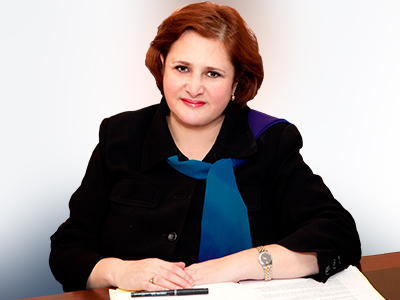
Таня Гендельман

Роберт Т Бин
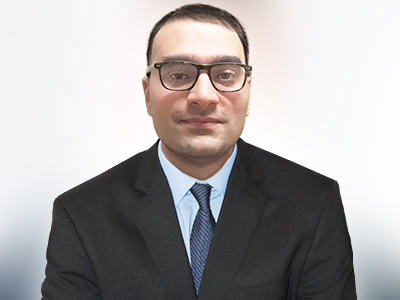
Соломон Аминов
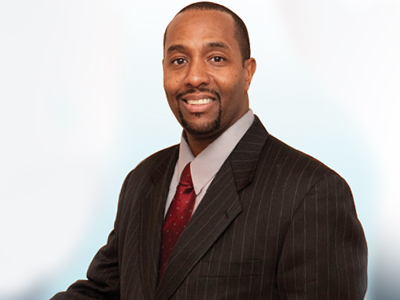
Крис Эппс
Мы беремся за дело если пострадали люди
Если Вы или Ваш близкий пострадал в результате халатного, небрежного или неправомерного действия другого лица, мы постараемся помочь. Наши русскоязычные адвокаты рассматривают все виды катастроф, травм, происшествий, несчастных случаев на стройке, смерти по неосторожности и аварий для клиентов в: Манхэттене, Бруклине, Квинсе, Бронксе, Стейтон-Айленде, Лонг-Айленде и во всем штате Нью-Йорк, а также в Нью Джерси.
Среди тысяч адвокатов в Нью-Йорке и Нью Джерси сложно выбрать правильного, поэтому перед принятием решения важно обращать внимание на опыт фирмы в рассмотрении подобных дел.
Наши адвокаты за время своей практики рассмотрели больше дел, чем многие другие именитые адвокаты города Нью-Йорк, работающие с травмами на протяжении десятилетий. Лишь немногие из них могут сравниться с нашими результатами.
У нас более чем 25-летним опыт и миллионы выигранных долларов для наших клиентов. Наши адвокаты получили признание в одних из самых престижных публикаций в стране, включая Super Lawyers®, The Best Lawyers in America®, Avvo®. Свяжитесь с нами сегодня же, чтобы узнать больше о том, как мы можем с Вам помочь.
Мы понимаем финансовые и эмоциональные потери, которые могли возникнуть в вашей ситуации. Поэтому мы приложим все силы для Вашего восстановления и получения максимальной компенсации, которую вы заслуживаете.
Оказываем бесплатные юридические консультации по вопросам связанными: с травмами, авариями, несчастными случаями, медицинской халатностью.
Вопросы адвокату
Сколько адвокат получает за выигрыш дела
В большинстве случаев услуги адвоката по травмам в Нью Йорке предоставляются на основе «непредвиденных расходов», это означает, что гонорары адвоката за представление клиента будут вычитаться из компенсации ущерба после благоприятного вердикта. Если клиент не получает благоприятного результата (другими словами, не получает денег), адвокат не взимает плату с клиента.
Процентная оплата и непредвиденные расходы
Чаще всего адвокат по травмам получает 33 процента (или одну треть) от любой суммы вознаграждения. Например, если Вы получите предложение о выплате в размере $99 000 от страховой компании, виновной в совершении ошибки, вы получите $66 000, а ваш адвокат — $33 000
Большинство адвокатов по травмам покрывают судебные издержки по мере их возникновения, а затем вычитают их из вашей доли в мировом или судебном решении.
Затраты и расходы в случае травмы могут включать в себя:
- медицинские записи
- полицейские отчеты
- оплата услуг экспертов
- почтовые расходы
- сборы за регистрацию
- следователи и эксперты
- торговые описания
Общепринятой практикой в Нью Йорке является отправка расчетного чека с компенсацией адвокату, а не напрямую пострадавшему. Это гарантирует, что адвокат получит оплату за свои услуги. Многие адвокаты по травмам принимают участие в делах с непредсказуемым результатом, следовательно, рискуют не получить оплату, если не получат расчетный чек. Адвокат, после получения расчетного чека с компенсацией, свяжется с Вами и должен предоставить подробный список расходов, которые он понес в связи с Вашим делом. Если вы оспариваете дополнительные расходы, адвокат имеет право поместить оспариваемую сумму на специальный эскроу-депозит, пока проблема не будет урегулирована.
Если вы решите сменить адвоката до того, как дело закончится
Во время замены адвоката, ваш первоначальный адвокат будет удерживать комиссионные за сборы и расходы, понесенные по делу до перехода, и может подать в суд на вас как бывшего клиента а также на нового адвоката за неспособность защитить и соблюдать адвокатский залог.
Если вы решили уволить своего адвоката, лучше всего договориться с ним в письменной форме о том, что он не будет претендовать на гонорары или расходы по Вашему делу. Этот документ должен быть у Вас на руках до урегулирования Вашего дела, чтобы избежать ненужных задержек в залоге.
Сколько по времени занимает суд в Нью-Йорке
Несмотря на то, что штат Нью-Йорк устанавливает трехлетний срок на подачу иска, начиная с даты получения травмы, Вы должны как можно раньше обратится за помощью к квалифицированному адвокату в связи с ограничением времени подачи заявления.
Сроки получения компенсации будут зависеть от того, сколько денег вы пытаетесь получить от ответчика, получится ли договорится до суда и сколько займет времени, чтобы собрать доказательства, подтверждающие ваши требование к компенсации. Например, пока незакончено лечение, трудно сказать сколько оно стоило. Как правило, дело занимает больше времени, если вы запрашиваете большую сумму денежной компенсации.
Как только ваше дело предстает перед судом, его рассмотрение может занять от нескольких часов до нескольких месяцев. Иногда судьи откладывают сроки судебного разбирательства по личным причинам, например, из-за выходных или праздников, а также из-за того, что заняты другим делом. Если вы столкнулись с задержкой в деле и не понимаете, что происходит, обратитесь за разъяснениями к нашим адвокатам.
Получите бесплатную консультацию адвоката прямо сейчас
Не тяните время. Звоните прямо сейчас по номеру (888) 365-4315. Отводится ограниченное время на подачу документов.
Типы адвокатов в Нью Йорке (основные сферы деятельности)
Адвокаты по травмам
Этот тип адвоката представляет стороны в спорах о травмах. Под личным ущербом понимается нечто большее, чем просто физический вред — он также включает в себя психологический вред, который может быть причинен, когда пострадал человек. Адвокаты по травмам в Нью Йорке могут помочь пострадавшему взыскать ущерб, предъявив иск одному или нескольким физическим или юридическим лицам. Адвокаты по травмам также необходимы для защиты людей и организаций, на которых подан иск после инцидента, повлекшего за собой травму. Типы юридических действий, над которыми работают адвокаты по травмам, включают в себя медицинскую халатность, ответственность за качество продукции, автомобильные аварии, и это лишь некоторые из них.
Адвокаты, отстаивающие публичный интерес
Адвокаты в США, представляющие общественный интерес, в какой-то мере помогают обществу. Они могут сделать это, представляя отдельных клиентов, которые не могут позволить себе частное юридическое представительство через организации юридической помощи или другие некоммерческие организации. Они также могут участвовать в разработке и продвижении законодательства для реформирования юридического процесса. Адвокаты, представляющие общественный интерес, работают в некоммерческих или государственных учреждениях и, как правило, имеют самые низкие зарплаты среди всех типов юристов.
Иммиграционные адвокаты
По мере изменения законов растет потребность в адвокатах по иммиграционным вопросам, и многие люди испытывают трудности в управлении иммиграционным процессом самостоятельно или могут столкнуться с депортацией. Иммиграционные адвокаты могут помочь людям с оформлением документов и процессом получения грин-карт и виз. Они также могут помочь иммигрантам, которым грозит депортация, защитить себя. Некоторые адвокаты по вопросам иммиграции сосредотачиваются только на конкретном типе иммигрантов — например, некоторые юридические фирмы специализируются на оказании помощи спортсменам, приезжающим в Соединенные Штаты.
Адвокаты по работе с недвижимостью
После Великой депрессии многие адвокаты по недвижимости не смогли найти работу. После восстановления экономики, снова возникла потребность в адвокатах по недвижимости. У юристов по недвижимости есть множество вариантов для своей практики, они могут помочь заключить сделки, представлять стороны, когда сделки проваливаются и подаются судебные иски, и могут представлять интересы клиентов в процессе получения необходимых разрешений для их сделок с недвижимостью. В Нью Йорке обязательное требование присутствие адвоката на закрытии сделок с недвижимостью, что создает хороший рынок для адвокатов в этой области.
Адвокаты по судебным тяжбам
Существуют разные типы адвокатов. Как правило, адвокат, ведущий судебное разбирательство, концентрируется на таких областях, как корпоративное право или медицинская халатность. Есть гражданские и уголовные адвокаты. Обычно адвокаты решают, будут ли они сосредоточены на уголовном или гражданском процессах, потому что, хотя правила доказывания схожи, процедуры для каждого типа судебного разбирательства разные.
Адвокаты по гражданским делам
Адвокаты по гражданским правам в Нью Йорке используют закон, чтобы помочь людям защитить свои гражданские права или возместить ущерб, если их гражданские права были нарушены. Гражданские права являются основными правами граждан Соединенных Штатов, вытекающими из конституций штатов и федерации.
Существуют различные типы адвокатов по гражданским делам, основанные на том, на каких гражданских правах они сосредоточены, помогая защитить своих клиентов. Например, некоторые адвокаты сосредотачиваются на том, чтобы помогать лицам, которые подверглись дискриминации по незаконным причинам на работе, в то время как другие сосредотачиваются на том, чтобы помогать людям, которые подверглись правонарушениям, таким как чрезмерная сила, со стороны правоохранительных органов.
Адвокаты по юридической халатности
Адвокаты также нуждаются в услугах других адвокатов. Адвокаты по юридическим злоупотреблениям работают над делами, в которых адвокат обвиняется в том, что он совершил что-то не так, когда представляет клиента, и ему предъявлен иск о возмещении убытков за предполагаемый проступок. Некоторые юридические адвокаты по делам об адвокатской халатности представляют клиентов, которые подают иск, в то время как другие помогают обвиняемым адвокатам защищать себя и избегают необходимости принимать решение.
Адвокаты по уголовным делам
Есть два типа адвокатов уголовного права, прокуроры и адвокатов защиты. Прокуроры представляют государство, в котором они работают, и привлекают к уголовной ответственности лиц, обвиняемых в совершении преступления. Адвокаты защиты представляют людей, обвиняемых в совершении преступления. Обвиняемый платит частным адвокатам защиты от уголовных обвинений. Государственные защитники — это защитники, работающие на правительство, которые представляют тех, кто не может позволить себе нанять частного адвоката.
Адвокаты по уголовному праву часто находятся в суде. Они часто взаимодействуют с судьями и адвокатами с другой стороны, и им часто приходится договариваться о сделках с другой стороной. Прокуроры и государственные защитники, как правило, получают низкую зарплату, в то время как частные адвокаты по уголовным делам имеют большие возможности заработка, потому что их клиенты обычно платят за каждый час работы.
Мы социальных сетях
Какой адвокат в Нью-Йорке самый известный?
Один из самых известных юридических центров - Адвокатский Офис Тани Гендельман, в Бруклине. Они занимаются: травмами, авариями, медицинскими ошибками, компенсациями работникам, а также уголовной защитой.
Сколько адвокатов в Нью-Йорке?
Город Нью-Йорк считается центром профессии адвокат в соединенных штатах. В городе около 57000 адвокатов, по данным за 2000 год, у многих адвокатов разные специализации.
Какая зарплата у адвоката в Нью-Йорке?
Согласно данным за 2017 год, средняя начальная зарплата адвокатов в Нью-Йорке, в частном секторе составляет $135,000. Это означает что половина адвокатов зарабатываемы больше, а другая половина меньше. В адвокатских конторах с более чем 500 сотрудников средняя начальная зарплата адвокатов составляет $160,000
Сколько стоит отучится на адвоката в Нью-Йорке?
Чтобы отучится на адвоката необходимо заплатить до неприличия дорого. Для лучших 10 школ это стоит около $43,000 в год
Если я попал в аварию в Нью-Йорке, мне нужен адвокат?
Вам необходимо незамедлительно обратится за квалифицированной помощью адвоката, не в коем случае до разговора с адвокатом не подписываете бумаги, которые Вам может предложить страховая ответчика.